

Retail AI Agents
Explore AssistantProfit & Cash
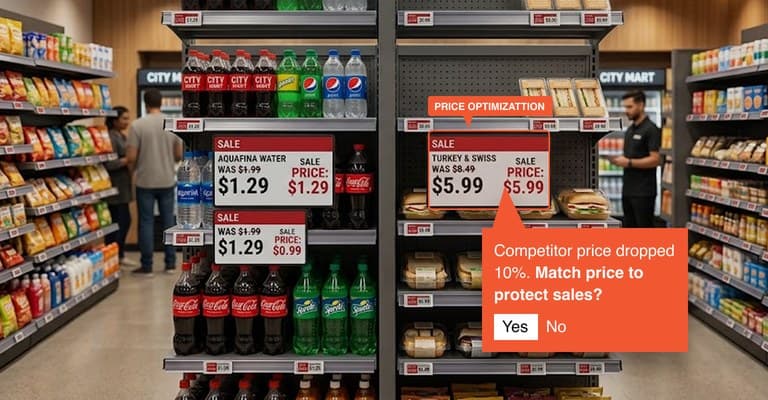
Continuously evaluates pricing opportunities, responding to demand while protecting margin within configured guardrails.
Connect planograms with real-world shelf conditions to identify execution gaps, improve compliance, and keep store layouts on track.
Challenges
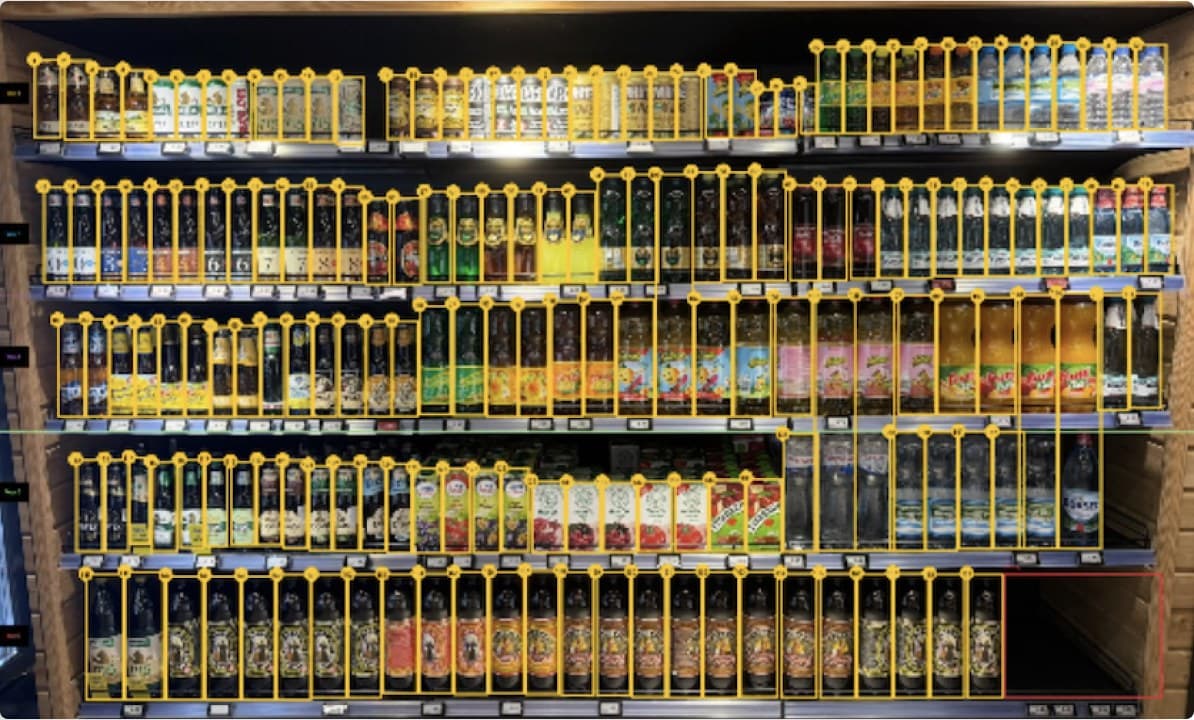
Planograms define where products should be. Stores determine what actually happens. Products move. Facings change. SKUs go missing. Displays lose their intended structure. Without continuous visibility, these gaps often surface only during manual audits or after execution has already suffered.
Solution
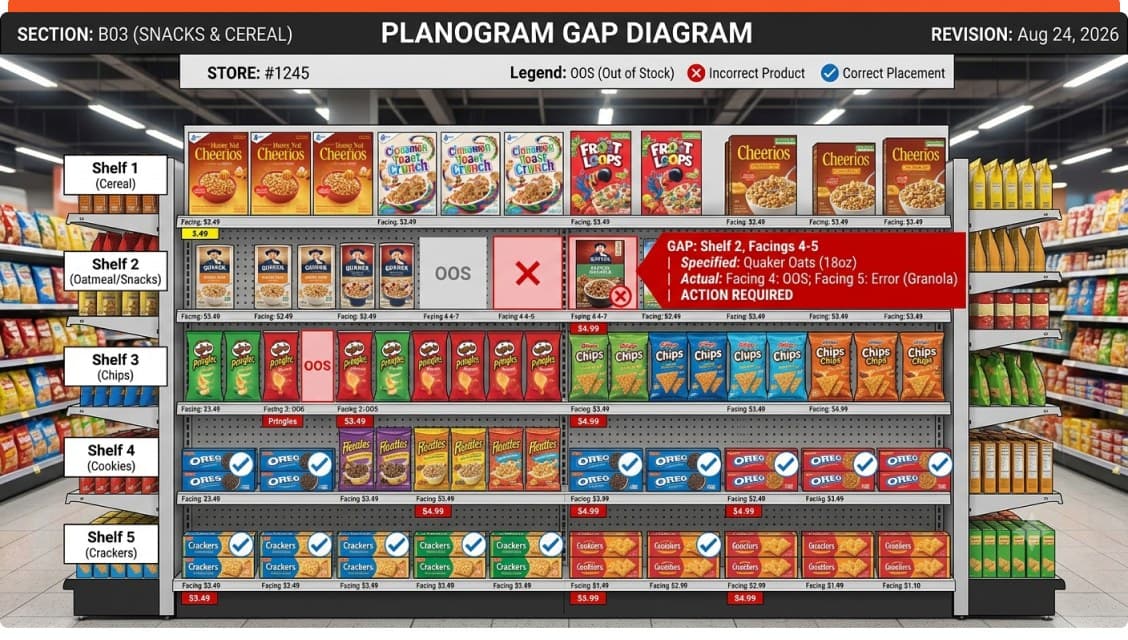
Ithina connects planogram requirements with real-world shelf conditions to identify where execution differs from what was intended. It helps teams move from simply checking shelves to understanding what needs attention.
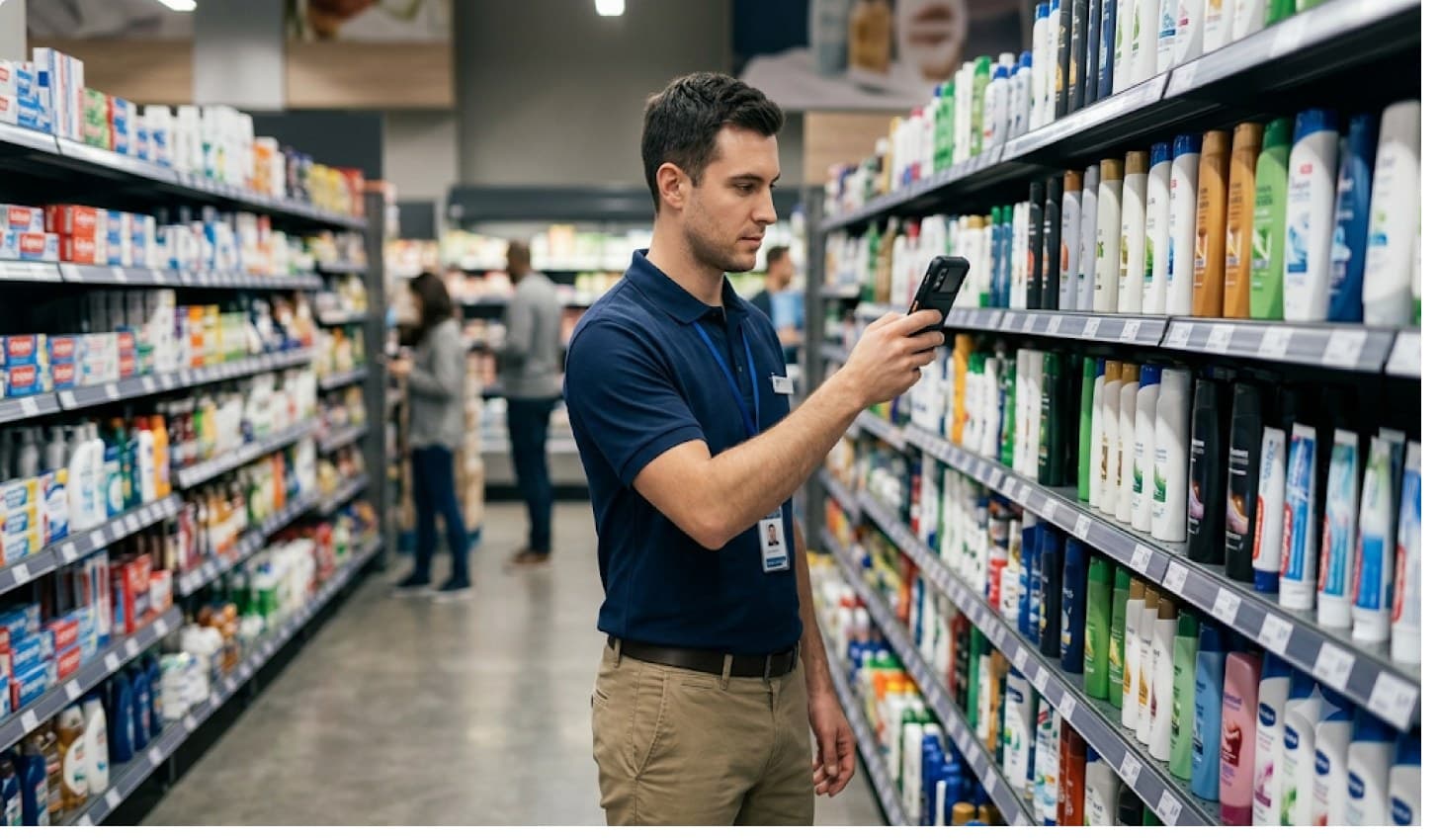
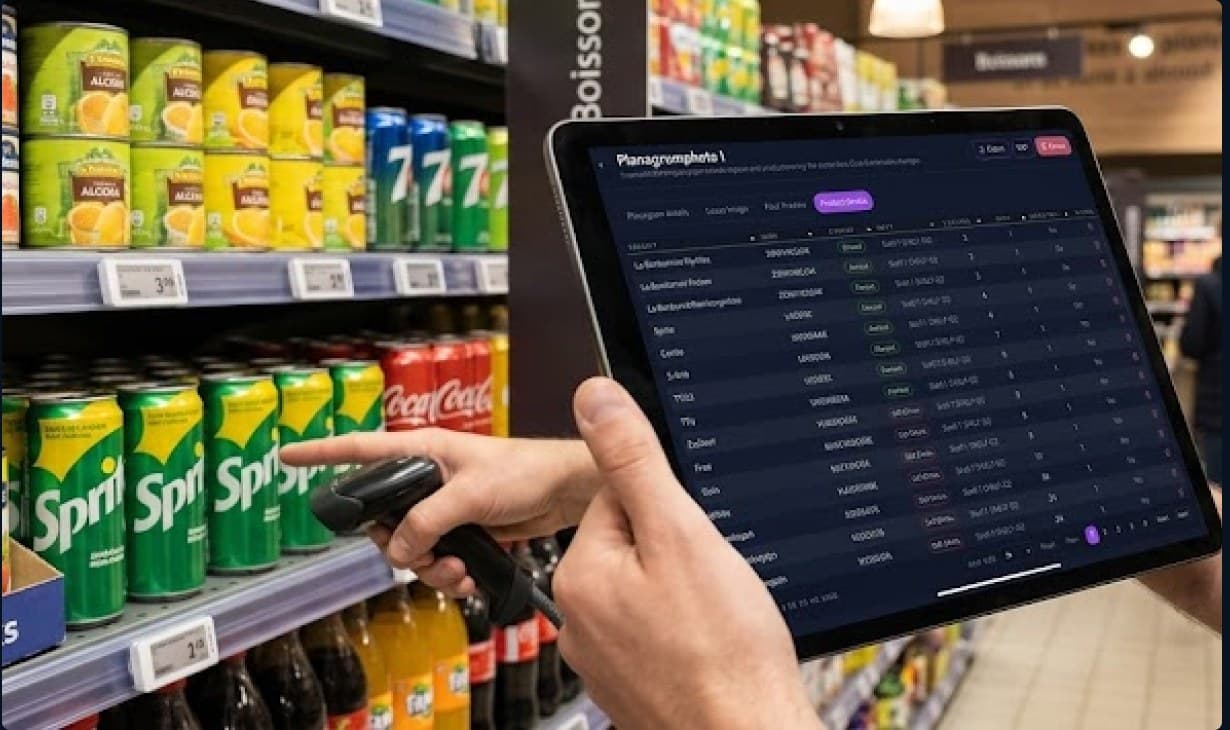
Use cameras or handheld mobile devices to capture shelf images, product positions, facings, and availability.
Compare what was captured against the intended planogram to understand which deviations matter and why.
Route the resulting tasks to the right store team, and push corrected pricing and labelling to the shelf edge.
Track which gaps recur, by store and by category, so the next planogram and the next rollout start better informed.
Capabilities
Monitor how closely actual shelf layouts follow the intended configuration.
Build a clearer view of product presence, placement, and shelf conditions.
Identify products and their positions across shelf environments.
Understand changes in product facings and shelf presence.
Surface missing, misplaced, or incorrectly positioned products.
Track recurring shelf-level issues across stores and locations.
Bring the most relevant execution gaps to the right teams.
Turn identified shelf issues into clear next steps.
How It Works

Bring in the intended product assortment, placement, facings, and shelf configuration.
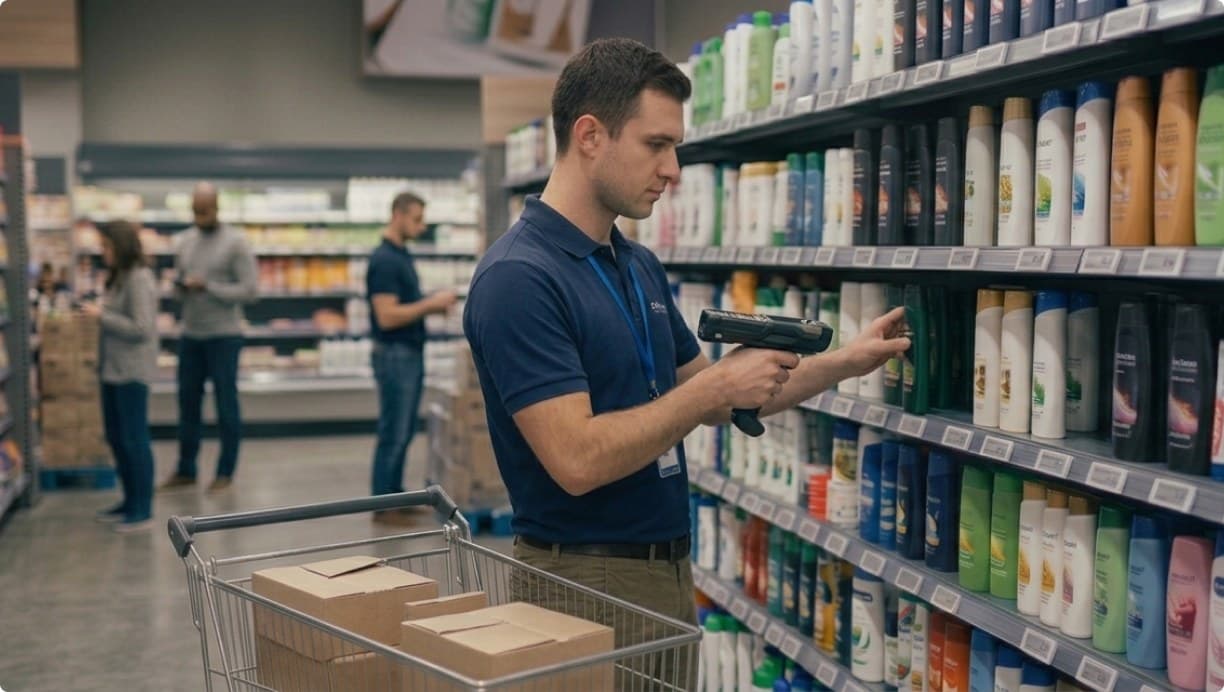
Combine shelf observations and product-level signals to create a current view of store execution.
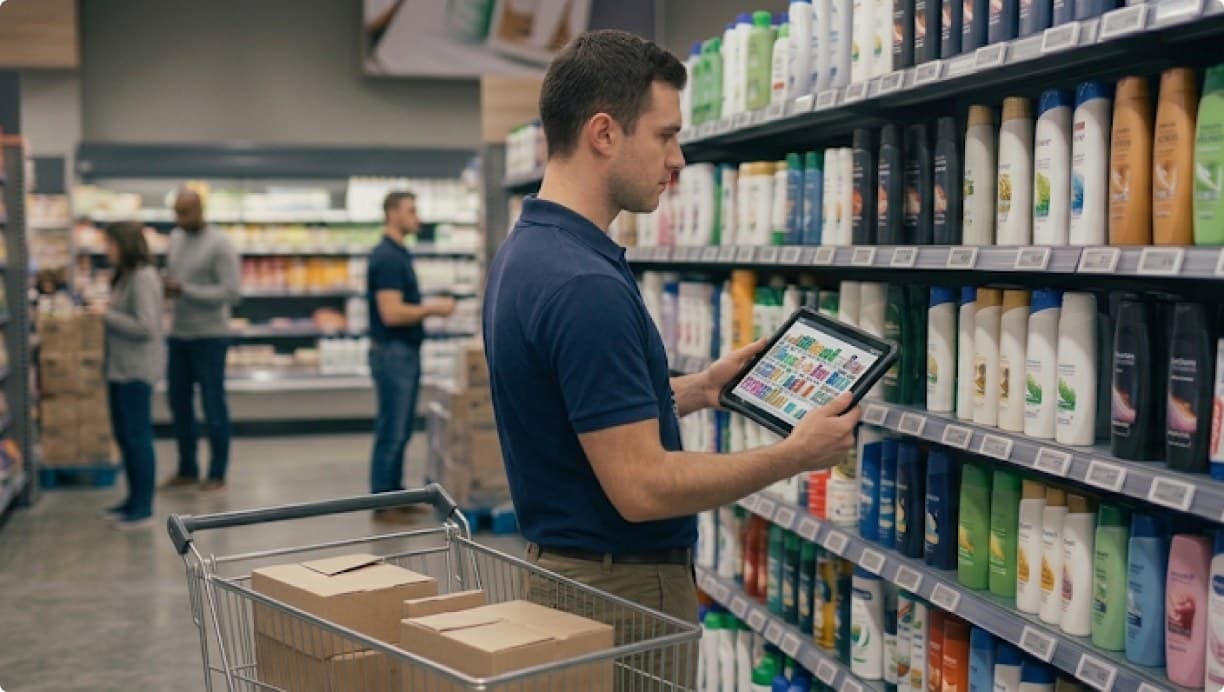
Ithina interprets shelf conditions and identifies where actual execution differs from the intended plan.
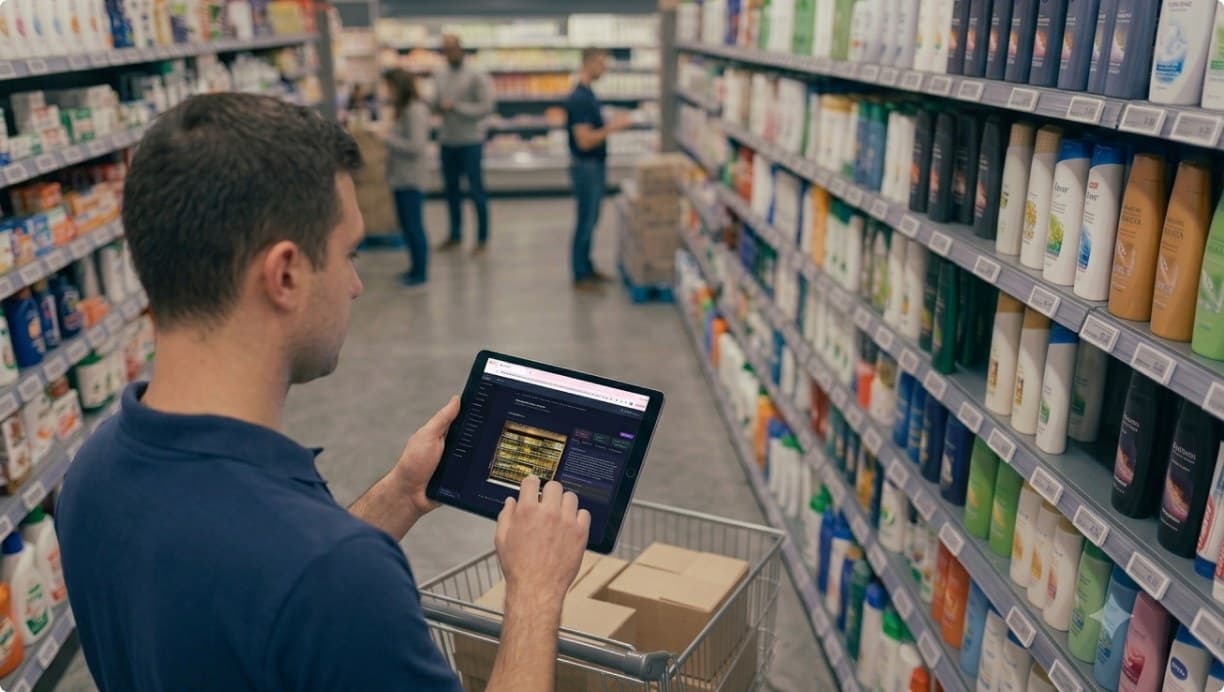
Automatically identify deviations that can impact availability, pricing, promotions, and execution.

Ithina interprets shelf conditions and identifies where actual execution differs from the intended plan.
Ithina Maestro
A shelf image can show what is there. Planogram intelligence adds context around what should be there, what has changed, and where execution has moved away from the intended configuration.
Use Cases
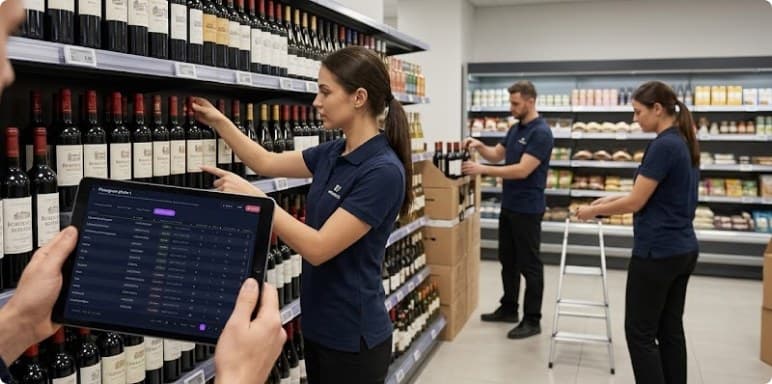
Validate shelf layouts against the intended planogram during store launches.

Monitor execution as new layouts are introduced across locations.

Identify shelf-level gaps when products are added, removed, or repositioned.
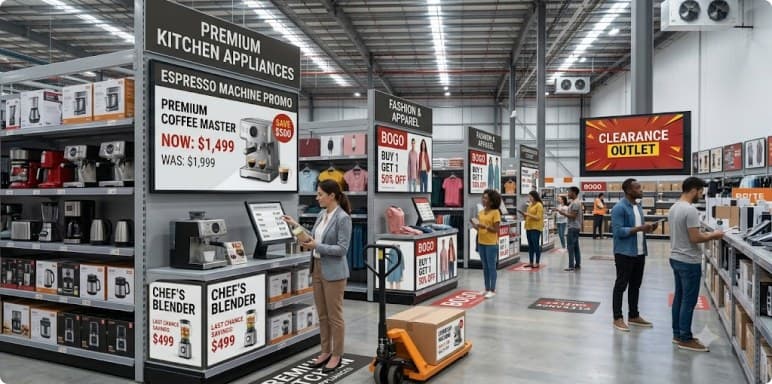
Check whether promotional configurations are being executed as intended.
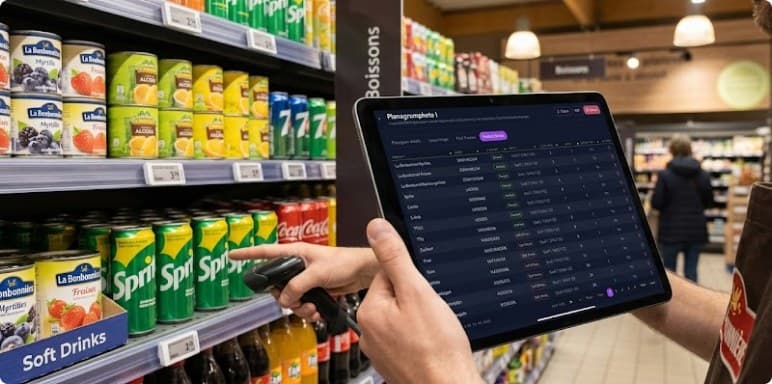
Give teams a more intelligent alternative to repetitive shelf-by-shelf checking.

Identify recurring execution gaps across stores and regions.
Business Impact
92%
Better store execution
60%
Reduced manual effort
4x
Improved store consistency
Keep physical shelves closer to intended planograms.
Surface execution gaps before they become persistent problems.
Give teams a smarter way to monitor shelf conditions.
Create greater alignment across locations and layouts.
Bring shelf-level intelligence into wider retail operations
AI Solutions
Purpose-built AI Assistants help retail teams move from scattered operational signals to clear, actionable decisions. Each Assistant is built around a specific operational decision not a generic AI use case.
Continuously evaluates pricing opportunities, responding to demand while protecting margin within configured guardrails.
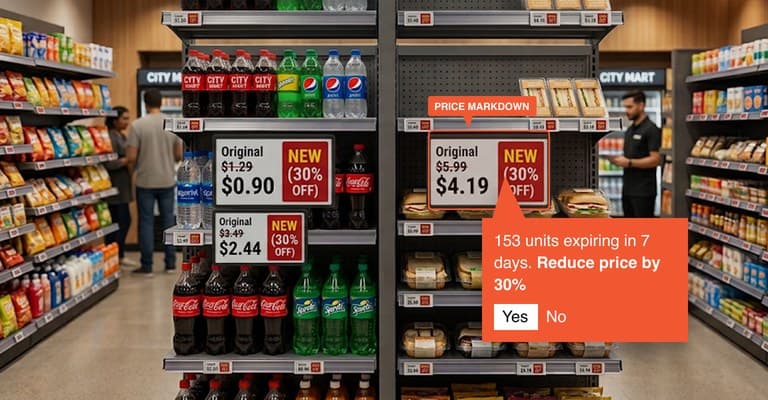
Tracks expiry risk and prioritises at-risk products before they become waste.
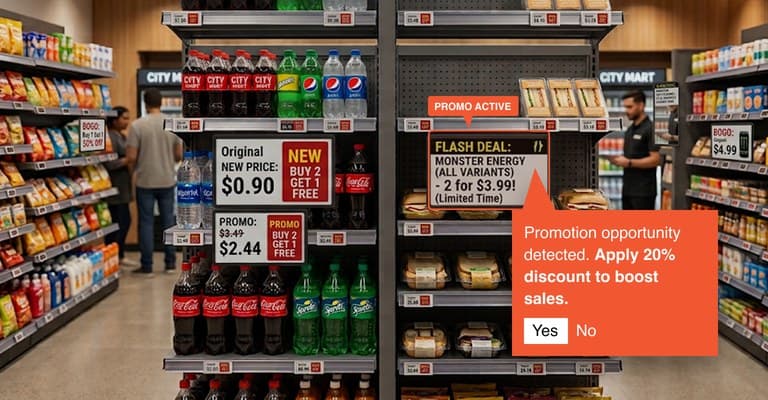
Coordinates campaigns, allocates space and validates that promotions don't erode margin.
FAQ
Planogram Intelligence uses shelf-level information to understand how closely real-world shelf execution matches the intended planogram.
Missing products and voids, misplaced SKUs and stray items, incorrect facings, and wider execution gaps against the intended layout.
Yes. Shelf conditions are tracked per store and rolled up by region and group, so recurring gaps are visible across the estate.
A traditional audit is a point-in-time manual check. Planogram Intelligence works continuously from the signals your stores already produce, and prioritises what needs attention rather than reporting everything.
Yes. Shelf positions can be bound to Ithina Edge electronic shelf labels, so a corrected placement or price reaches the shelf edge with the task.
Contact us